Women's Wellness · Everyday Habits
The Kitchen Cabinet Ingredient Called Gelatin That's Quietly Back in Style
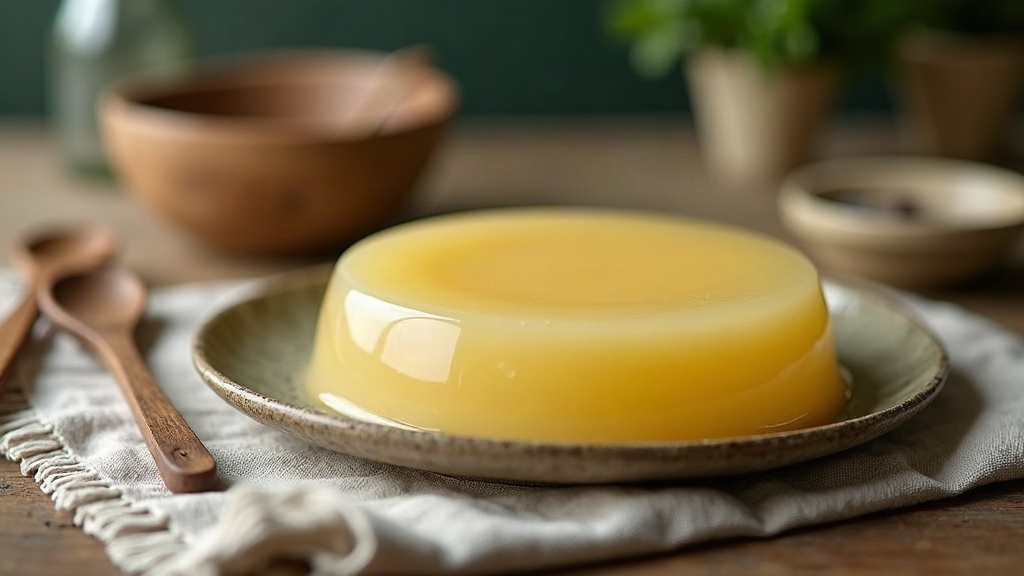
Grandma kept a tin of gelatin in the pantry. Turns out, she was onto something worth a second look. This video walks through the history and the habit — nothing more.
Your Body Changes. Nobody Sends You a Memo.
You reach for the same jeans. They don’t reach back the same way. Nobody warned you about this part — so let’s talk about it plainly.
Collagen Doesn't Ask Permission to Leave
Collagen production naturally slows with time. Gelatin, which comes from cooked collagen, is one of the oldest food sources people have used to get more of this protein through meals.
Satiety Feels Different Now
The 'I'm full' signal doesn't always land the same way it used to. Protein quality and meal structure play a role in how satisfied a meal feels.
Lean Mass Doesn't Coast on Autopilot
Maintaining lean mass takes more intention than it once did. It's less about a single food and more about consistent daily inputs.
The Old Diet Rules Stopped Working
Approaches that worked in your twenties don't always translate later. Many women find they need to rethink the basics, not just cut more.
Metabolism Myths, Sorted From Facts
There’s a lot of noise out there. Here’s a plain-language pass at three things people repeat without checking.
Your metabolism is broken after 30.
Metabolism shifts gradually over years. It’s not a switch that flips off on a birthday.
Skipping meals speeds things up.
Consistent eating patterns tend to support steadier energy — skipping isn’t a shortcut for most people.
It’s only about willpower.
Body composition involves sleep, protein intake, movement, and hormones working together, not one single factor.
A Simple Rhythm, Not a Rulebook
No overhaul. No countdown. Just a small sequence some women build into an ordinary week.
Notice the Pattern
Before changing anything, pay attention to what a normal day of eating and moving actually looks like for you.
Add, Don't Subtract
Instead of cutting things out, some women start by adding a protein-rich habit — gelatin in warm drinks or simple recipes is one traditional option.
Let Consistency Do the Work
Small habits repeated for weeks tend to matter more than anything dramatic done once.
A Very Old Idea, Rediscovered
Long before supplement aisles existed, kitchens ran on bone broth, consommé, and gelatin desserts. French cooks simmered bones for days. Grandmothers across many cultures kept a tin of powdered gelatin on hand for everything from soups to sweets. It wasn’t trendy — it was just how food worked, and it stuck around because it was practical, cheap, and used the whole animal.
The ‘discovery’ isn’t new science. It’s an old kitchen habit getting a second look in a modern context.
Six Signs Worth Paying Attention To
Hunger That Shows Up Too Soon
Feeling hungry again shortly after a full meal can be worth noticing over time.
Skin That Feels Less Bouncy
Changes in skin texture or elasticity are commonly discussed alongside collagen levels.
Joints That Complain After Stairs
Mild stiffness after activity is something many women mention as they get older.
Weight That Shifts Without Explanation
Fluctuations that don't match your usual patterns can be worth a closer look with a professional.
Energy That Dips Mid-Afternoon
A predictable afternoon slump is common and often tied to overall daily habits.
Nails That Chip More Than They Used To
Brittle or slow-growing nails are frequently mentioned in casual conversations about protein intake.
What Some Women Had to Say

These are individual experiences shared for illustrative purposes only. Individual results may vary. This is not a guarantee of any outcome.
Frequently Asked Questions
Hydrolyzed gelatin is gelatin that has been broken down into smaller protein fragments, which some people find easier to mix into drinks or foods. It comes from the same collagen source as traditional gelatin.
They’re closely related. Collagen is the structural protein found in connective tissue; gelatin is what you get when that collagen is cooked and broken down.
Many people incorporate gelatin into everyday meals, from soups to simple desserts. It’s generally treated as a food ingredient, not a special product.
No. The content is educational and historical in nature. It does not diagnose, treat, cure, or prevent any condition.
Any woman curious about traditional food habits and how they relate to everyday wellness topics like collagen and satiety.
It’s a short watch, designed to explain the background clearly without unnecessary filler.
The video draws on culinary history and general nutrition concepts. It’s meant as a starting point for your own research, not a substitute for professional advice.
Curious What the Fuss Is About?
The video walks through the history, the habit, and why an old kitchen ingredient is getting a second look. No pressure, no promises — just context.
Advertising Disclosure: This page contains sponsored content and affiliate links. We may receive compensation if you click on or make purchases through links on this page. This helps support the operation of this site at no additional cost to you.
Content Disclaimer: This content is for educational and informational purposes only. It has not been evaluated by the FDA. It is not intended to diagnose, treat, cure, or prevent any disease or health condition. Always consult a qualified healthcare professional before making changes to your diet, lifestyle, or wellness routine.
Results Disclaimer: Individual results may vary. Any testimonials or experiences shared reflect personal opinions and are not a guarantee of similar outcomes for every individual.
© 2026 californiaasusa.com · All Rights Reserved